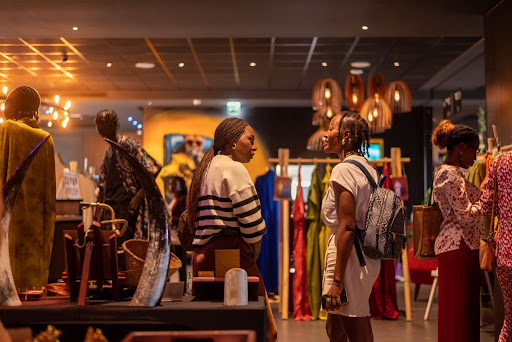
Turning Art into Assets
Turning Art into Assets is a practical series designed to help creatives move from surviving on talent to building sustainable, investible creative businesses.
The series addresses one of the biggest challenges in the creative sector: strong creative output without the financial systems needed for stability, growth, and long-term value.
Many creatives face irregular income, unclear pricing, limited understanding of intellectual property, weak cash flow, and fear around compliance. As a result, financial management is often postponed “until later,” keeping creative businesses informal, overstretched, and unattractive to investors and partners.
This series breaks down complex financial concepts into clear, relatable insights tailored to the realities of creative work. Using real (anonymous) creative scenarios, simple frameworks, and practical takeaways, the blogs reframe financial management as an enabler of creativity—not a restriction.
Across Five Parts, the Series Explores
- How to manage seasonal and irregular income intentionally
- How to price creative work sustainably
- How to recognize and protect intellectual property as a business asset
- Why cash flow matters more than profit for creatives
- What makes a creative business investible without losing its creative soul
Turning Art into Assets is written for artists, freelancers, creative entrepreneurs, and those supporting the creative economy who want to transform creativity into long-term value, resilience, and opportunity.
When Talent Pays Irregularly – Treating Creative Income as an Asset
Creatives often hear advice designed for people with monthly salaries: budget monthly, save every month, plan with certainty. For creatives, this advice feels unrealistic—and often leads to doing nothing at all.
But irregular income is not the problem. The problem is treating irregular income as accidental rather than structural.
Creative income is seasonal by nature. There are high seasons—festivals, commissions, launches, campaigns—and quiet periods. When we pretend income should be even, we mismanage the peaks and panic during the lows.
Turning art into an asset starts with accepting seasonality and planning for it.
When money comes in during high periods, it is not “extra.” It is meant to carry you through the whole cycle. Assets are not defined by how frequently they pay, but by how intentionally they are managed.
A creative who understands their annual income pattern can:
- Budget realistically
- Reduce financial anxiety
- Make better pricing decisions
- Become investible—even without stable monthly income
Story:
Meet Alex, a freelance photographer in Kampala who was consistently booked but constantly broke. After mapping his income across 12 months, he discovered that over half his income came in just five months. By planning for those cycles instead of reacting to them, he stabilized his finances within a year—without working more.
Key takeaway:
Irregular income isn’t chaos. It’s a pattern. And patterns can be managed.
Pricing Your Art Like an Asset (Not a Favor)
Many creatives price emotionally:
- Fear of losing clients
- Fear of appearing expensive
- Fear of being replaced
But assets are priced based on sustainability, not feelings.
When pricing doesn’t account for downtime, revisions, unpaid admin work, unpaid samples, equipment wear and tear, taxes, and personal pay, the creative business slowly drains—even when the work is consistent.
Underpricing does not make your work accessible. It makes your business fragile.
To turn art into an asset, pricing must:
- Cover the full cost of creating
- Allow for saving and tax – allocate a percentage off each gig for this!
- Be repeatable without burnout
If the price only works once, it is not a business price—it is a favor.
Story:
A graphic designer prided herself on affordable rates. She was always busy but never improving financially. When she increased her prices and clarified scope, she lost some clients—but gained stability, respect, and better referrals.
Key takeaway:
If your price cannot sustain you over time, your art is being consumed—not invested in.
Your Intellectual Property Is the Asset—Even When Cash Is Low
Many creatives focus on the payment received and ignore what happens after delivery. But in creative work, the real value often lies in intellectual property (IP).
IP includes:
- Songs
- Films
- Designs
- Writing
- Content
- Concepts
When you don’t understand whether you are selling ownership, licensing use, or assigning rights forever, you may exchange long-term value for short-term cash—without realizing it.
IP is what allows art to:
- Earn again
- Travel into new markets
- Attract partnerships and investors
If you cannot explain what you own, you cannot value it.
Story:
A musician accepted a one-time payment to license songs indefinitely. Years later, the songs earned income in commercials and films—for others. Understanding IP earlier could have turned one payment into ongoing revenue.
Key takeaway:
Cash pays today. IP determines who benefits tomorrow.
Cash Flow – Why Creatives Feel Busy but Stay Broke
Profit is a concept. Cash flow is lived reality.
Many creatives earn well but constantly struggle because money arrives late, expenses are upfront, and payments are unpredictable. Being “owed money” does not pay rent or put food on the table.
Cash flow planning is about timing, not just totals.
To protect the asset:
- Use deposits and staged payments
- Know when cash arrives, not just how much
- Allocate money immediately when received
- Separate personal and business spending
Cash flow is not about restriction—it is about reducing pressure so creativity can thrive.
Story:
An event stylist funded materials upfront for a big project and waited months to be paid. After introducing deposits and milestones, stress reduced immediately—even before income increased.
Key takeaway:
A creative business fails more often from poor cash flow than lack of talent.
From Passion to Investible Business – Making Creativity Visible to Capital
Talent attracts admiration. Structure attracts opportunity.
Investors, sponsors, and partners do not fund art alone—they fund clarity:
- Clear pricing
- Documented income
- Understood ownership
- Basic compliance
- Separation between person and business
Tax and record-keeping are not punishments. They are signals that a business exists.
Turning art into an asset means making it visible and legible to people outside the creative world.
Story:
A filmmaker was repeatedly told her work was impressive but “not ready.” After organizing records, clarifying IP ownership, and structuring her finances, funding followed—without changing her artistic vision.
Key takeaway:
Creativity becomes investible when it is supported by systems, not when it becomes less creative.
Conclusion
Art does not become an asset when it loses its soul. It becomes an asset when it is managed with intention.
About the Author
Monica Kasirye Kavuma is a finance professional and financial literacy advocate with a strong focus on supporting businesses to build sustainable, investible enterprises.
With a background in financial management, budgeting, pricing, cash flow planning, and intellectual property valuation, she works at the intersection of creativity and financial discipline.
Through mentoring, workshops, and community engagement, Monica has worked closely with creatives across Uganda, helping them navigate irregular income, price their work sustainably, understand the value of their intellectual property, and strengthen financial systems that support both compliance and growth.
Her approach is practical, empathetic, and grounded in real-world creative experiences—recognising that talent alone is not enough to build long-term value.
The Turning Art into Assets series draws from these on-the-ground engagements, translating complex financial concepts into accessible, actionable insights designed to help creatives move from surviving on passion to building resilient, credible, and investible creative businesses.